

Neurosurgeon
SPINE | LAS VEGAS
Dr. Andrew Lee, MD | Nevada Spine Clinic, Las Vegas, Nevada
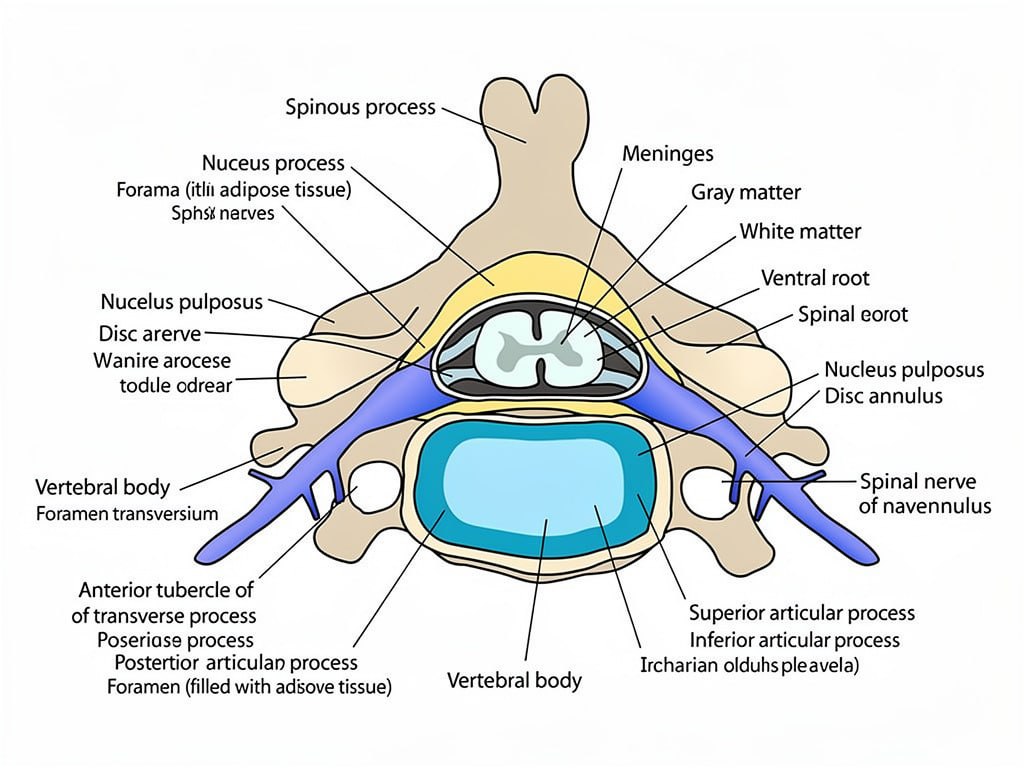
The cervical spine is composed of seven vertebrae and the discs, ligaments, and joints that connect them. The spinal cord runs through the central canal, protected on all sides by bone and soft tissue. Nerve roots exit on both sides of the spine at each level, traveling into the arms and hands. Conditions that narrow the spinal canal from the back, such as thickened ligaments or bone spurs, may require surgical access from a posterior approach.
Dr. Andrew Lee at Nevada Spine Clinic in Las Vegas selects the surgical approach for each cervical case based on where the compression originates, the number of levels involved, and the patient’s overall spinal alignment.
Dr. Andrew Lee evaluates all patients for non-surgical options before recommending posterior cervical surgery. Conservative measures including anti-inflammatory medications, physical therapy, and corticosteroid injections are pursued when -clinically appropriate.
Posterior cervical fusion is typically reserved for patients with significant neurological compromise, progressive symptoms, or structural instability that cannot be adequately managed non-operatively.
Posterior cervical discectomy and fusion addresses compression and instability in the cervical spine through an incision at the back of the neck. Dr. Andrew Lee performs this procedure at Southern Hills Hospital in Las Vegas when the source of compression or instability is best addressed from the posterior spine.
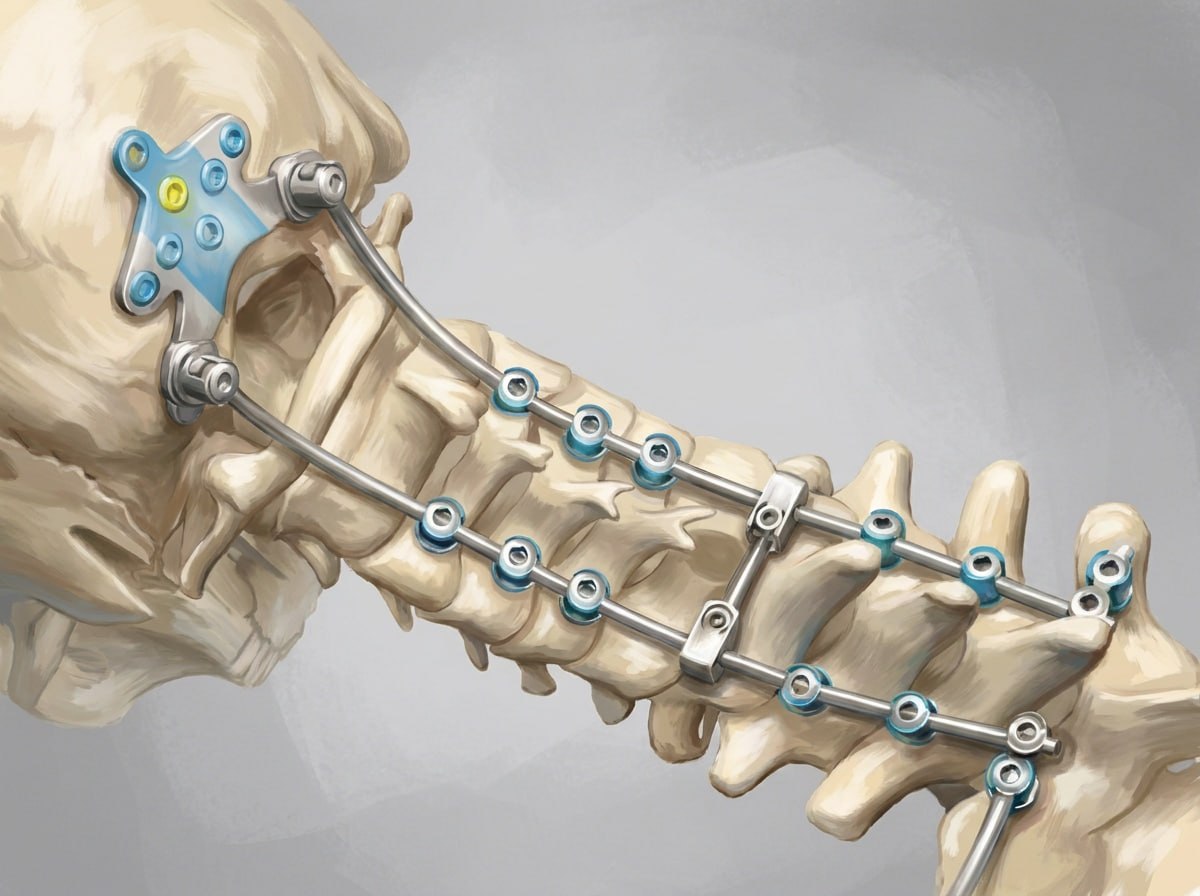
Through the posterior incision, Dr. Lee accesses the cervical lamina and joints. Bone and soft tissue causing compression are carefully removed to decompress the spinal cord and nerve roots. Lateral mass screws and rods are placed to stabilize the affected levels. Bone graft is applied to promote fusion across the treated segments over time.
The posterior approach allows decompression across multiple levels in a single procedure and provides strong multi-point fixation for cases with instability or deformity.
Recovery following posterior cervical fusion is somewhat longer than anterior approaches due to the muscle dissection required. Dr. Lee encourages walking from the first day to promote circulation and reduce complications.
A cervical collar is often used for several weeks following posterior fusion to protect the fixation while fusion progresses. Physical therapy is introduced gradually once the fusion is healing and Dr. Lee has cleared appropriate activity.
Improvement in myelopathic symptoms such as balance difficulties and arm weakness typically occurs gradually over weeks to months as the spinal cord recovers from decompression.
Posterior neck pain and stiffness are common in the early weeks following surgery and improve with time and rehabilitation. Full resolution may take several months.
Patients are advised not to drive until Dr. Lee provides clearance at a follow-up visit, typically no sooner than four to six weeks after surgery.
No bathtub, swimming, or hot tub until cleared by Dr. Lee.
The posterior incision will be evaluated at your first post-operative visit. Avoid soaking the wound in water until cleared by Dr. Lee. If a gauze dressing is in place, wait seventy-two hours before showering and only if the dressing remains dry.
Pat the incision dry after showering and apply a clean dry bandage. Contact Nevada Spine Clinic if you notice increasing redness, warmth, swelling, or drainage from the incision site.
For pain medication refills, contact your pharmacy at least forty-eight hours in advance. Refills are not processed on weekends or after business hours.
Wear the cervical collar as instructed by Dr. Lee. Avoid lifting, twisting, or extreme neck movements during the recovery period. Driving is not permitted until specific clearance is given at follow-up.
Contact Nevada Spine Clinic or go to the nearest emergency room immediately if you experience sudden weakness, balance changes, difficulty breathing, or fever above 101.5 degrees Fahrenheit.
No bathtub, swimming, or hot tub until cleared by Dr. Lee.
Dr. Andrew Lee, MD | Nevada Spine Clinic, Las Vegas
Your information is private and will never be shared.