

Neurosurgeon
SPINE | LAS VEGAS
Dr. Andrew Lee, MD | Nevada Spine Clinic, Las Vegas, Nevada
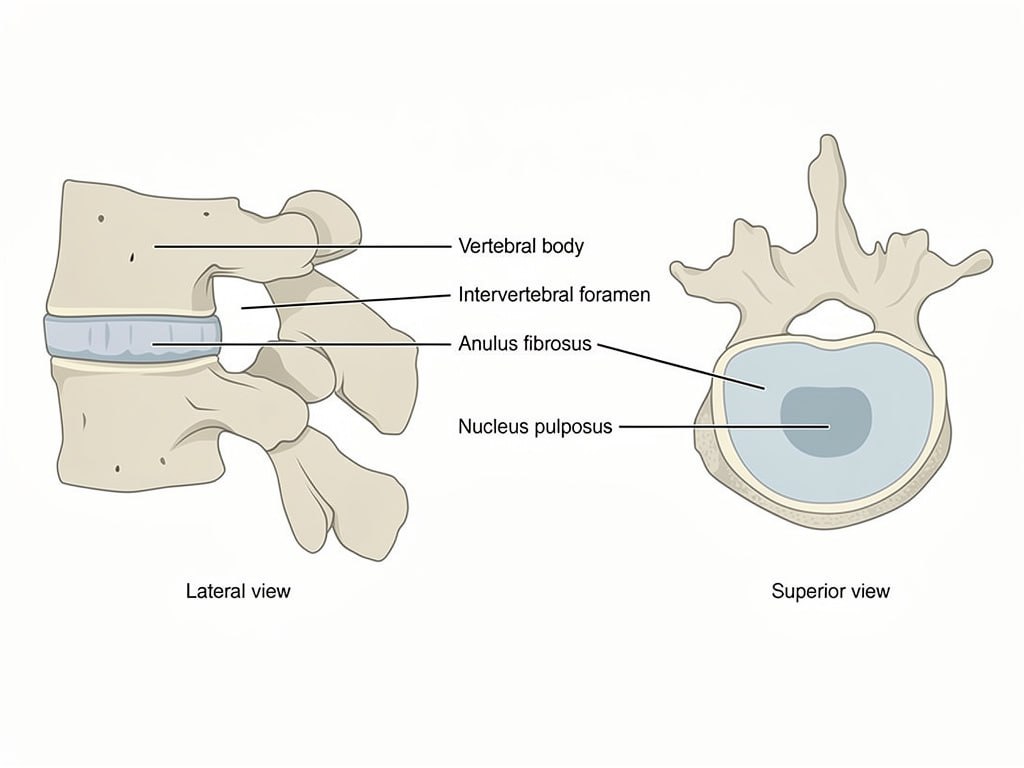
The lumbar spine is the most mechanically loaded region of the vertebral column, responsible for transmitting forces between the upper body and lower extremities. Stability in the lumbar spine depends on intact discs, ligaments, and bony architecture working in concert. When multiple structures fail, comprehensive reconstruction may require stabilization from both the front and back of the spine.
Dr. Andrew Lee at Nevada Spine Clinic in Las Vegas carefully evaluates each patient requiring combined anterior and posterior lumbar surgery to ensure the approach and extent of reconstruction are appropriate for their specific anatomy and goals.
Combined anterior and posterior lumbar fusion is reserved for complex cases that have typically already been evaluated and treated with multiple conservative measures. Dr. Andrew Lee at Nevada Spine Clinic in Las Vegas performs thorough preoperative planning to ensure the benefits of this more extensive procedure justify its greater recovery demands.
Combined anterior and posterior lumbar fusion provides maximum structural stability for complex lumbar reconstructions. Dr. Andrew Lee performs this procedure at Southern Hills Hospital in Las Vegas in cases where a single approach cannot adequately address the extent of instability, deformity, or reconstruction required.
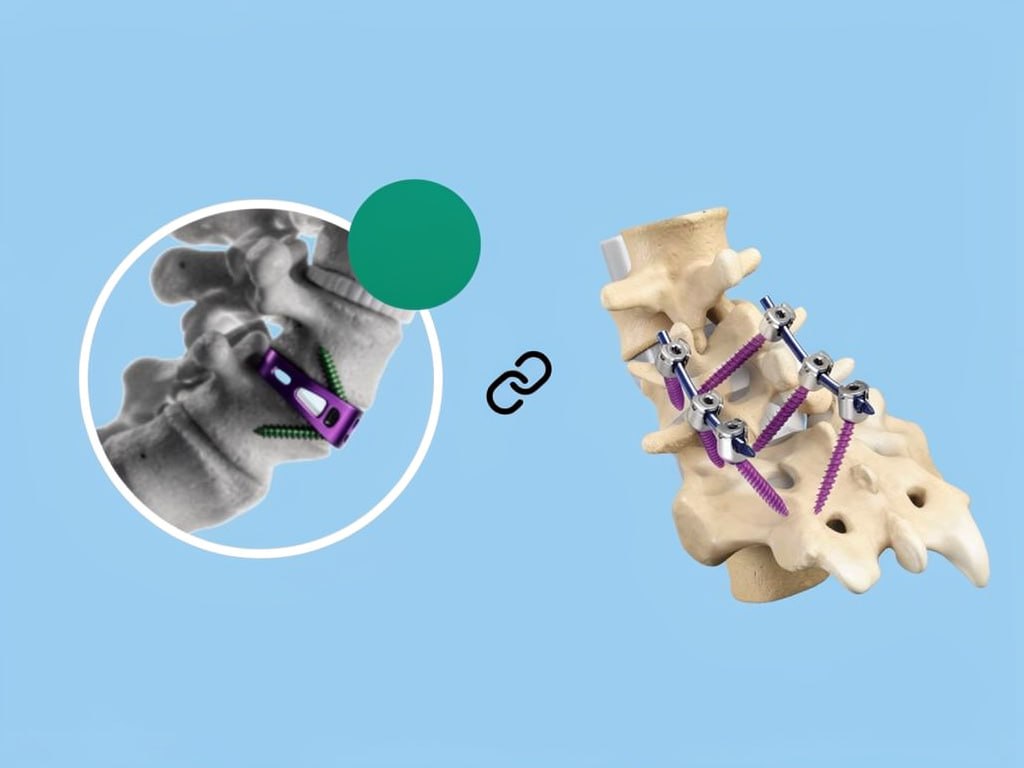
The procedure is typically performed in a single operative session or across two sessions depending on complexity. The anterior portion involves placement of a large interbody cage through an abdominal incision with vascular assistance. The posterior portion involves pedicle screw and rod fixation spanning the affected segments with additional bone grafting to promote posterior fusion.
The combination of anterior column support and posterior tension band fixation provides a three-column construct that distributes load effectively and achieves fusion rates superior to either approach alone in complex cases.
Recovery following combined anterior and posterior lumbar fusion is more demanding than single-approach procedures. Hospital stay is typically two to four nights. Walking begins with assistance as soon as safely possible.
A lumbar brace is worn for an extended period, often three to four months. Physical therapy is introduced gradually beginning at six to eight weeks. Full recovery and return to unrestricted activity typically requires six to twelve months.
The more extensive nature of combined fusion means that recovery is measured in months rather than weeks. Most patients experience gradual improvement in pain and function over the first three to six months as the fusion consolidates.
Setting realistic expectations before surgery is an important part of Dr. Lee’s preoperative process. Patients considering combined lumbar fusion are counseled extensively on what to expect during recovery.
No bathtub, swimming, or hot tub until cleared by Dr. Lee.
Two incisions require care following combined surgery, the anterior abdominal incision and the posterior lumbar incision. Follow specific wound care instructions provided at discharge for each incision.
Do not soak either wound until cleared by Dr. Lee. Monitor for signs of infection including redness, warmth, increasing swelling, or drainage. Contact Nevada Spine Clinic immediately if any of these occur.
Wear the lumbar brace as instructed for the full prescribed period. Lifting, bending, and twisting restrictions are more conservative following combined reconstruction. Do not drive until Dr. Lee provides specific clearance.
Contact Nevada Spine Clinic or go to the nearest emergency room for any sudden neurological changes, fever, or wound concerns following discharge.
No bathtub, swimming, or hot tub until cleared by Dr. Lee.
Dr. Andrew Lee, MD | Nevada Spine Clinic, Las Vegas
Your information is private and will never be shared.