

Neurosurgeon
HIP | LAS VEGAS
Dr. Andrew Lee, MD | Nevada Spine Clinic, Las Vegas, Nevada
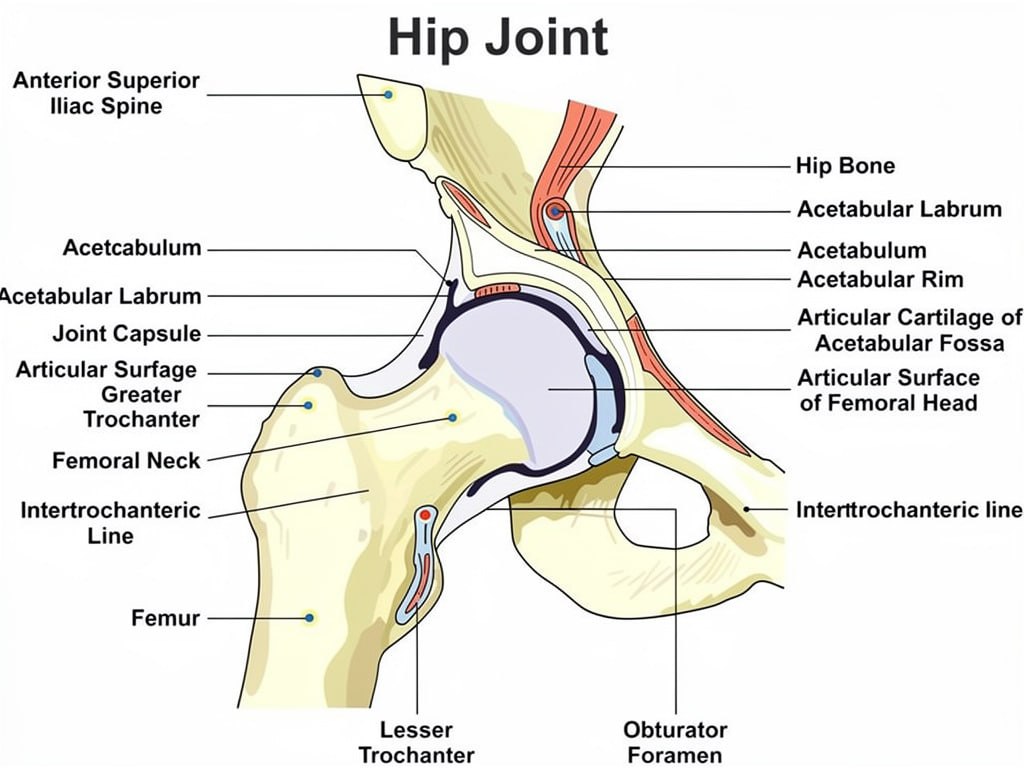
The hip joint consists of the femoral head, which forms the ball, and the acetabulum of the pelvis, which forms the socket. In a healthy hip, both surfaces are covered with smooth cartilage. Partial hip replacement addresses damage isolated to the femoral head while preserving the natural acetabular socket.
Dr. Andrew Lee at Nevada Spine Clinic in Las Vegas performs partial hip replacement primarily for femoral neck fractures where the socket remains healthy and replacing only the femoral component provides the most appropriate solution.
Partial hip arthroplasty is primarily an acute surgical procedure for hip fractures rather than an elective procedure following conservative care. Most displaced femoral neck fractures in appropriate patients are treated surgically to allow early weight bearing and reduce complications associated with prolonged immobility.
Dr. Andrew Lee evaluates each fracture patient’s age, bone quality, activity level, and acetabular cartilage condition to determine whether partial or total hip replacement provides the best long-term outcome.
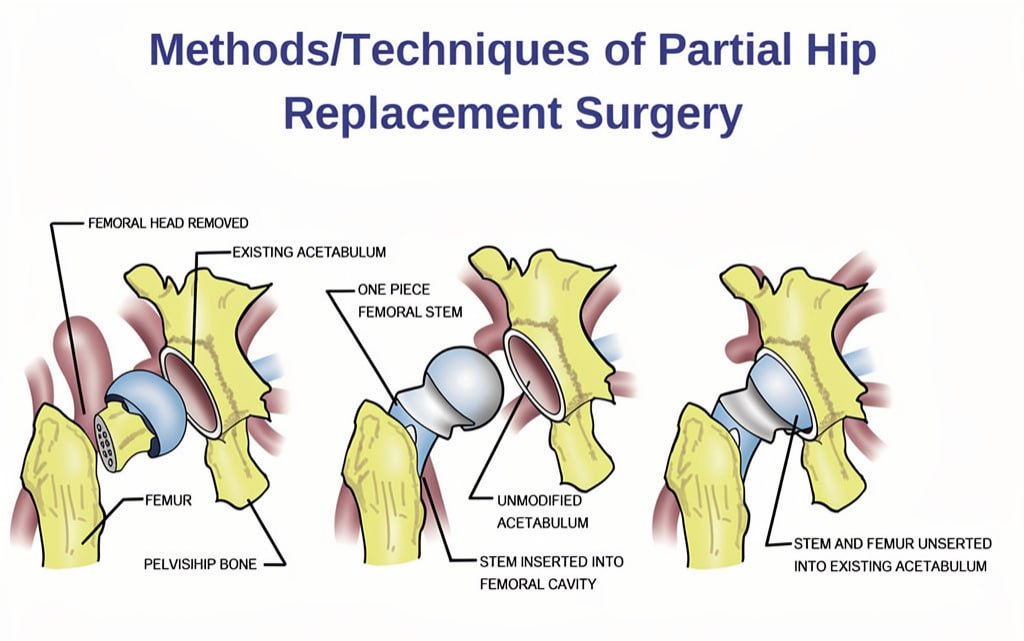
Partial hip arthroplasty, also called hemiarthroplasty, replaces only the damaged femoral head while preserving the patient’s natural acetabular socket. Dr. Andrew Lee performs hemiarthroplasty at Southern Hills Hospital in Las Vegas primarily for femoral neck fractures in patients where the native socket is healthy.
The damaged or fractured femoral head is removed and a femoral stem with a prosthetic femoral head is implanted in the femur. The prosthetic head articulates against the patient’s own cartilage-covered acetabulum. This procedure is faster and less invasive than total hip replacement, which is an important consideration in elderly or medically frail patients.
In younger or more active patients with femoral neck fractures, total hip arthroplasty is often preferred due to better long-term function. Dr. Lee discusses the appropriate choice based on each patient’s individual circumstances.
Early weight bearing is a primary goal of partial hip arthroplasty. Most patients begin walking with assistance on the day of surgery or the following morning, which is essential for reducing medical complications in elderly patients.
Physical therapy begins in hospital and focuses on safe transfers, walking, and basic strengthening. Recovery timelines vary based on patient age, medical status, and prior functional level.
Patients typically experience significant improvement in hip pain following hemiarthroplasty. The primary goal is to restore the ability to walk and perform daily activities safely.
Some groin discomfort may occur over time if the prosthetic head rubs against the native acetabular cartilage. Regular follow-up with Dr. Lee monitors for this and guides any necessary intervention.
No bathtub, swimming, or hot tub until cleared by Dr. Lee.
Follow wound care instructions provided at discharge. Avoid soaking the wound until cleared by Dr. Lee. Monitor for signs of infection including increasing redness, warmth, or drainage.
Blood clot prevention medication is prescribed and should be taken as directed. Pain medication refills require advance notice from your pharmacy.
Hip precautions following hemiarthroplasty depend on the surgical approach used. Dr. Lee will review specific precautions at discharge. Avoid extreme hip positions as instructed.
Contact Nevada Spine Clinic or go to the emergency room for sudden severe hip pain, inability to bear weight, fever, or significant wound changes.
No bathtub, swimming, or hot tub until cleared by Dr. Lee.
Dr. Andrew Lee, MD | Nevada Spine Clinic, Las Vegas
Your information is private and will never be shared.