

Neurosurgeon
HIP | LAS VEGAS
Dr. Andrew Lee, MD | Nevada Spine Clinic, Las Vegas, Nevada
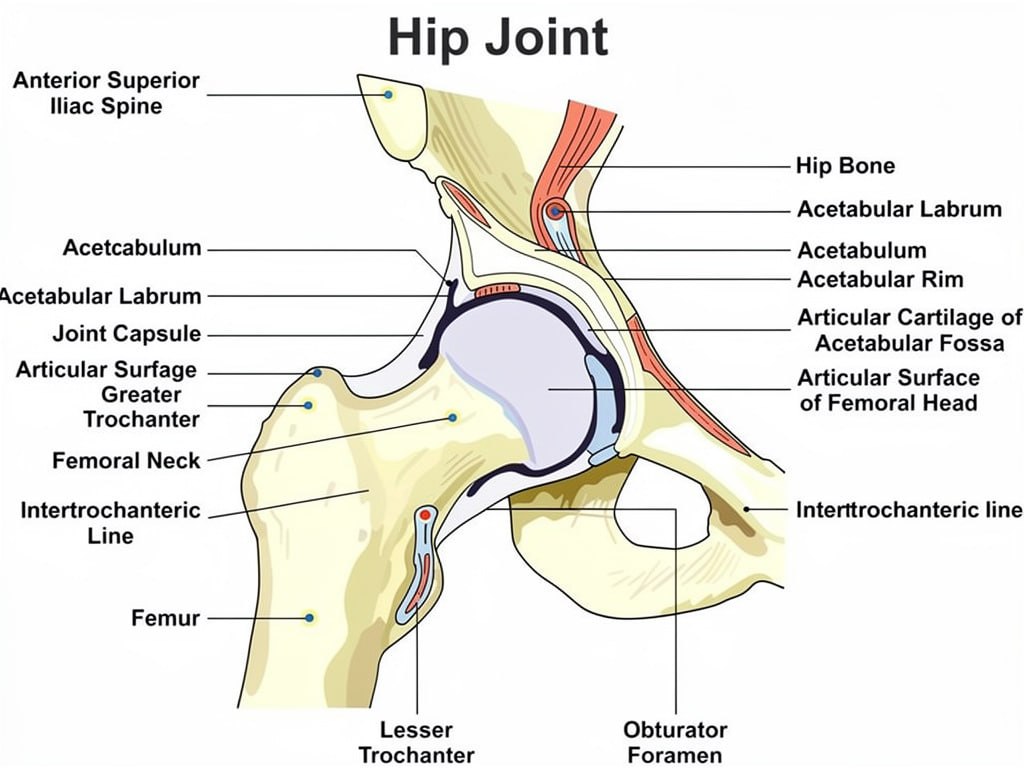
The hip joint is a ball-and-socket articulation that provides both stability and a wide range of motion. The femoral head forms the ball and the acetabulum forms the socket, both covered with articular cartilage that allows smooth, low-friction movement. The surrounding muscles and capsule provide stability and power.
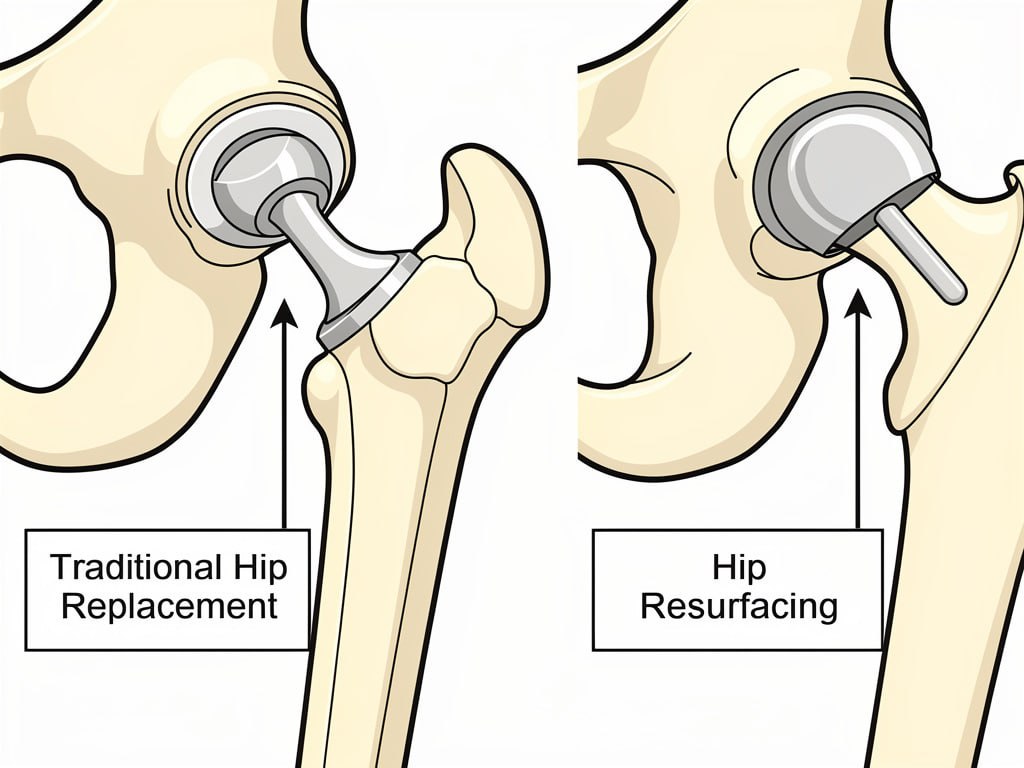
Hip resurfacing is based on the principle that preserving the femoral head bone stock provides long-term advantages for younger active patients compared to removing it entirely as in total hip replacement.
Before recommending hip resurfacing, Dr. Andrew Lee at Nevada Spine Clinic in Las Vegas ensures that conservative measures including physical therapy, anti-inflammatory medications, activity modification, and joint injections have been adequately pursued.
Hip resurfacing is an elective procedure for patients with significant hip arthritis that limits function and quality of life despite non-operative management.
Hip resurfacing is a bone-preserving alternative to total hip replacement that Dr. Andrew Lee offers in Las Vegas to carefully selected younger, active patients. Rather than removing the femoral head entirely, the damaged articular surface is shaped and capped with a smooth metal component. The acetabular socket is prepared and a metal cup is implanted to provide the bearing surface.
The muscle-sparing nature of the anterior approach typically results in faster recovery, less post-operative pain, fewer activity restrictions, and a lower dislocation risk compared to posterior approaches in experienced hands.
The preservation of the femoral head and neck bone stock is the key advantage of hip resurfacing. This maintains more normal femoral anatomy, reduces stress on the femur, and preserves options for future revision surgery if needed decades later.
Metal-on-metal hip resurfacing uses cobalt-chromium components. Patients considering resurfacing are counseled about the specific considerations and monitoring requirements associated with metal-on-metal bearings. Not every patient with hip arthritis is a candidate, and Dr. Lee performs a thorough evaluation before recommending this option.
Recovery following hip resurfacing is similar to total hip replacement. Most patients bear weight with a walker immediately following surgery and progress rapidly over the first six weeks.
Return to sport is a realistic goal for most hip resurfacing patients. Dr. Lee typically clears return to recreational activities at three to four months and more demanding athletic activity at six months.
Hip pain relief following resurfacing is typically excellent. Most patients return to activities they had given up due to hip pain, including hiking, cycling, golf, and recreational sport.
Annual follow-up with Dr. Lee is recommended following metal-on-metal hip resurfacing to monitor blood metal ion levels and implant performance.
No bathtub, swimming, or hot tub until cleared by Dr. Lee.
Follow wound care instructions provided at discharge. Avoid soaking the wound until cleared. Monitor for signs of infection.
Blood clot prevention medication is prescribed following surgery. Pain medication refills require advance notice from your pharmacy.
Hip precautions after resurfacing are typically less restrictive than after total hip replacement. Dr. Lee will review specific activity guidelines based on your surgical approach and implant.
Contact Nevada Spine Clinic or go to the emergency room for sudden severe hip pain, inability to bear weight, or fever following discharge.
No bathtub, swimming, or hot tub until cleared by Dr. Lee.
Dr. Andrew Lee, MD | Nevada Spine Clinic, Las Vegas
Your information is private and will never be shared.