

Neurosurgeon
HIP | LAS VEGAS
Dr. Andrew Lee, MD | Nevada Spine Clinic, Las Vegas, Nevada
The acetabular labrum is a ring of fibrocartilage that lines the rim of the hip socket, deepening it and creating a seal that stabilizes the femoral head within the joint. The labrum distributes joint contact forces, maintains synovial fluid pressure, and contributes meaningfully to hip stability and proprioception.
When the labrum tears, the hip loses some of its ability to maintain the fluid seal and distribute load evenly. Over time an untreated labral tear can accelerate cartilage damage within the joint.
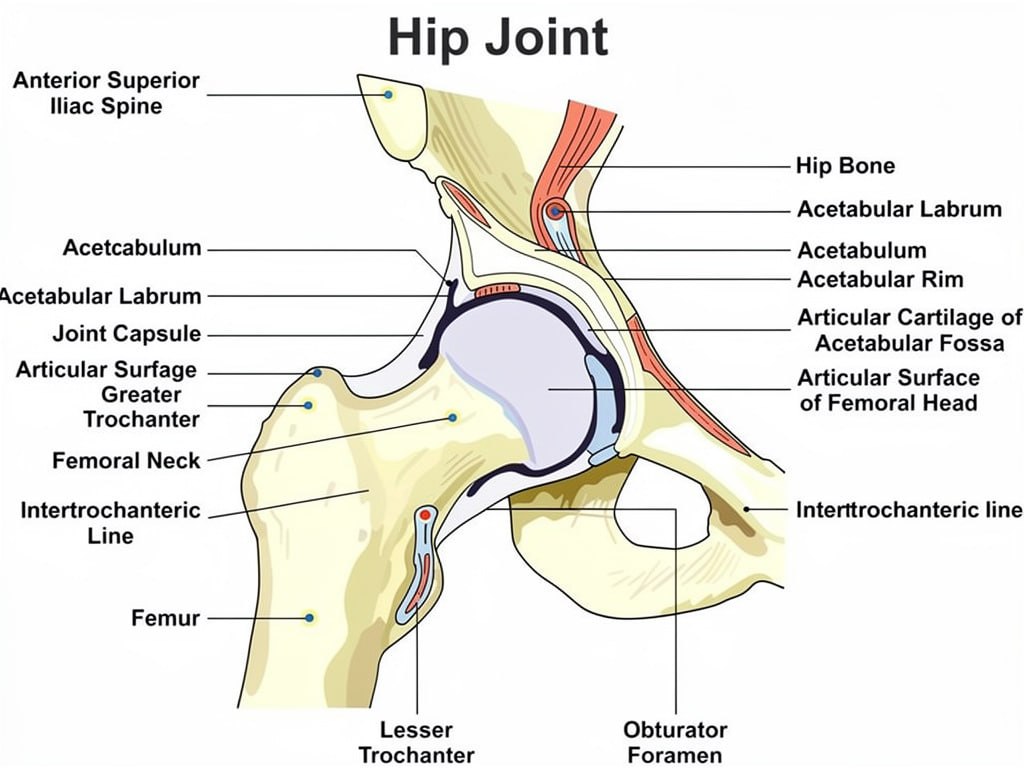
Many patients with hip labral tears respond to conservative management. Dr. Andrew Lee at Nevada Spine Clinic in Las Vegas evaluates all patients for non-surgical options first. Physical therapy focused on hip strengthening and movement pattern correction, anti-inflammatory medications, and cortisone injections can provide meaningful improvement.
Hip arthroscopy and labral repair are recommended when symptoms persist despite adequate conservative care and imaging confirms a surgically addressable tear.
Hip labral repair allows Dr. Andrew Lee to restore the function of the torn labrum arthroscopically through small incisions, avoiding the need for open hip surgery in most cases. This is performed at Southern Hills Hospital in Las Vegas.
Small arthroscopic portals are placed around the hip and a camera is used to visualize the joint. The torn labral tissue is prepared and reattached to the acetabular rim using small suture anchors. Any associated bone abnormalities causing impingement are also addressed during the same procedure.
Preserving the labrum rather than removing it maintains the hip’s natural sealing function and reduces long-term cartilage damage, making repair preferable to debridement whenever tissue quality allows.
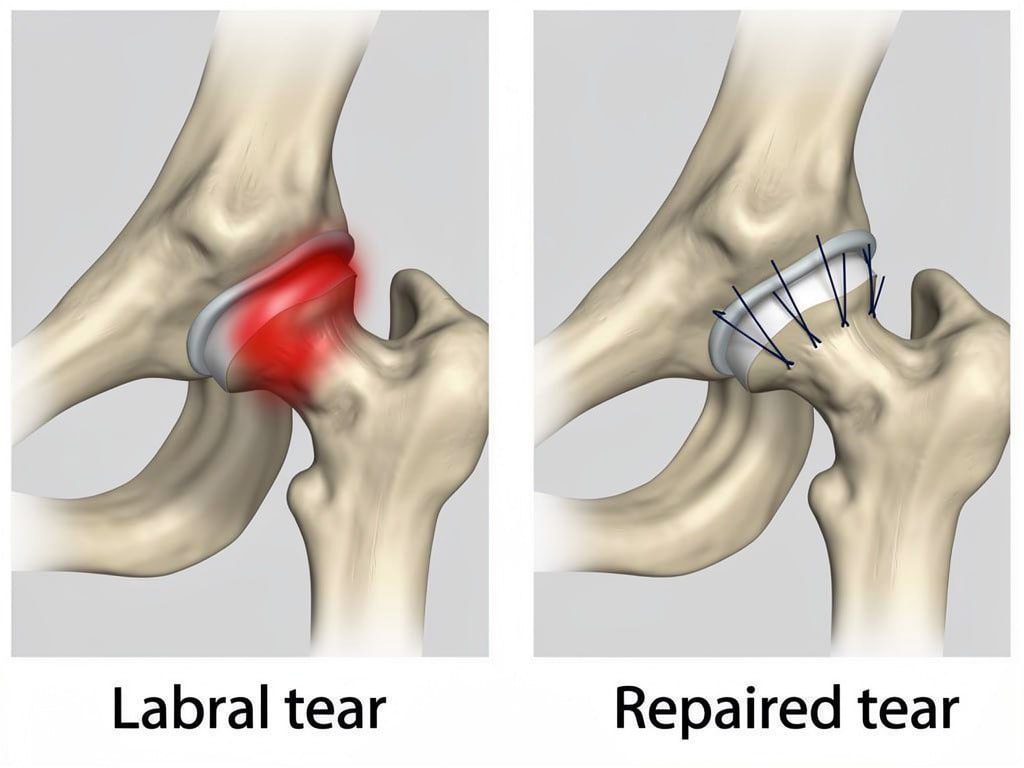
Recovery following hip labral repair requires protected weight bearing for four to six weeks to allow the repaired tissue to heal to the bone. Crutches are used during this period to minimize stress on the repair.
Physical therapy begins early with protected range of motion exercises progressing to strengthening and functional activities. Return to sport typically occurs at four to six months with appropriate rehabilitation.
Improvement in groin pain and mechanical symptoms is typically experienced within the first few weeks following hip labral repair. Full recovery and return to athletic activity takes four to six months.
Long-term outcomes following labral repair are best when underlying impingement is simultaneously addressed. Dr. Lee evaluates and treats the entire hip during arthroscopy to optimize long-term results.
No bathtub, swimming, or hot tub until cleared by Dr. Lee.
Arthroscopic portal sites are small and heal quickly. Keep the incisions dry and covered until cleared by Dr. Lee. Avoid soaking in water during early healing.
Anti-inflammatory medications are helpful during the early recovery period. Pain medication refills require advance notice from your pharmacy.
Use crutches as prescribed and maintain toe-touch or partial weight bearing as instructed during the first four to six weeks. Avoid deep hip flexion and combined flexion with rotation during early healing.
Contact Nevada Spine Clinic or go to the emergency room for sudden severe hip pain, fever, or significant wound changes.
No bathtub, swimming, or hot tub until cleared by Dr. Lee.
Dr. Andrew Lee, MD | Nevada Spine Clinic, Las Vegas
Your information is private and will never be shared.