

Neurosurgeon
HIP | LAS VEGAS
Dr. Andrew Lee, MD | Nevada Spine Clinic, Las Vegas, Nevada
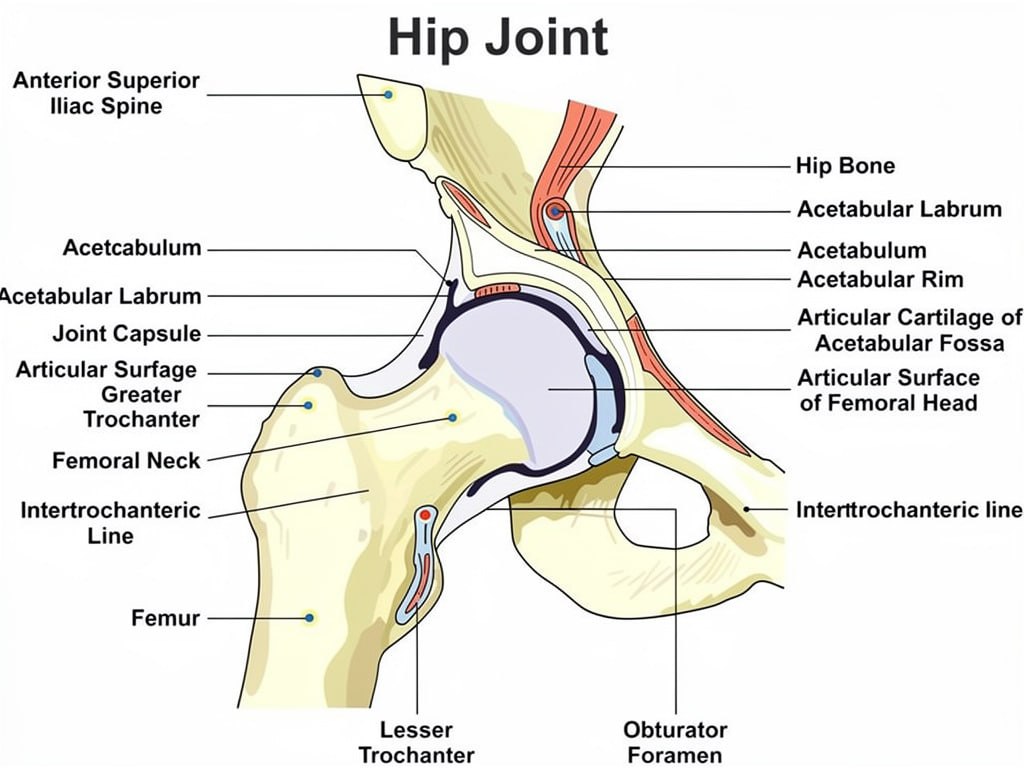
The hip is a ball-and-socket joint formed by the femoral head and the acetabulum of the pelvis. The articulating surfaces are covered with smooth cartilage that allows nearly frictionless movement through a wide range of motion. The joint is stabilized by a strong fibrous capsule, multiple ligaments, and the surrounding musculature including the gluteal muscles and hip flexors.
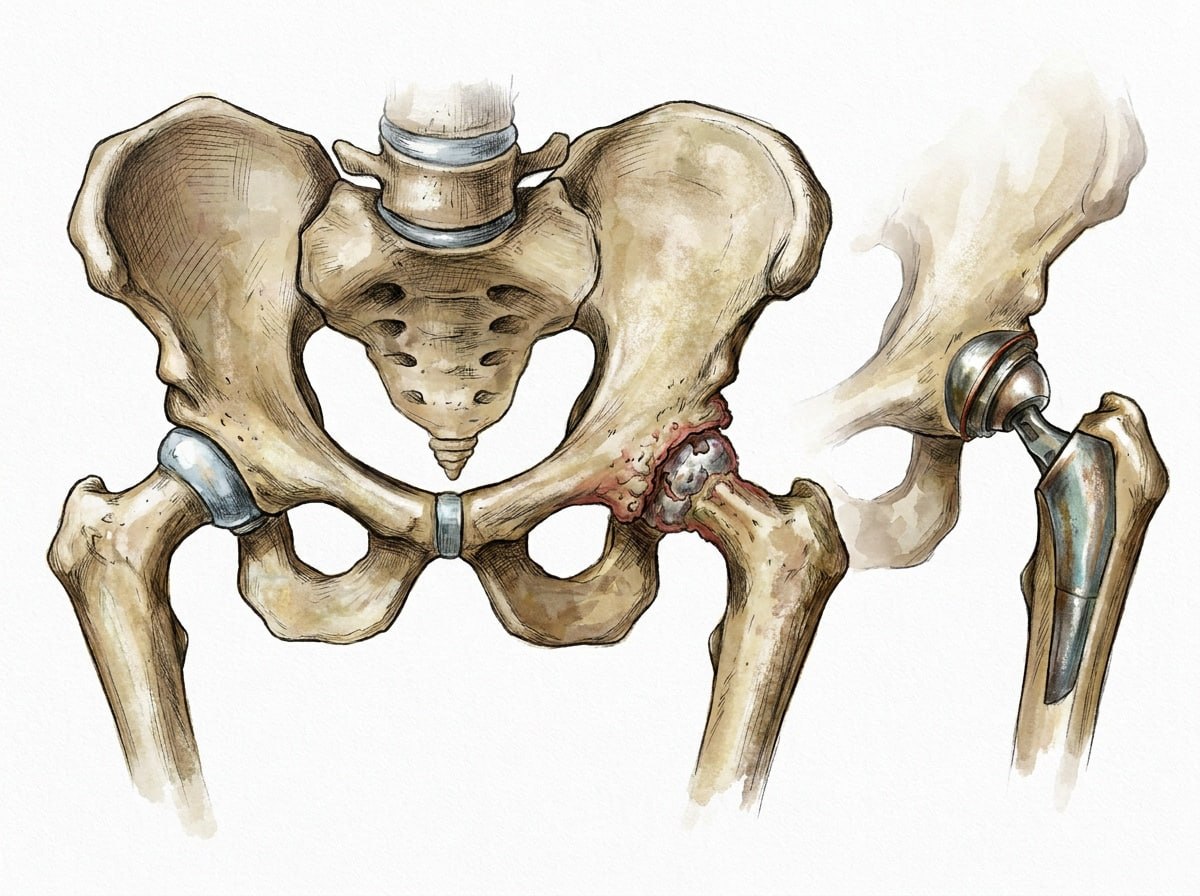
When hip cartilage wears away due to arthritis, avascular necrosis, or other conditions, the resulting bone-on-bone contact causes significant pain and limits daily activity. Dr. Andrew Lee at Nevada Spine Clinic in Las Vegas evaluates each patient comprehensively before recommending surgical intervention.
Dr. Andrew Lee evaluates all hip patients for non-surgical options before recommending total hip replacement. Conservative treatment includes anti-inflammatory medications, physical therapy to strengthen hip and core musculature, activity modification, assistive devices, and corticosteroid or hyaluronic acid injections.
Total hip arthroplasty is recommended when symptoms significantly limit daily activity and quality of life despite adequate non-operative management.
Total hip arthroplasty is one of the most successful procedures in orthopaedic surgery, reliably relieving pain and restoring function in patients with end-stage hip arthritis. Dr. Andrew Lee performs total hip replacement in Las Vegas at Southern Hills Hospital using the anterior approach.
The anterior approach to the hip allows Dr. Lee to replace the joint without cutting through any of the major hip muscles. Working between natural tissue planes, the damaged femoral head and socket surfaces are removed and replaced with precisely fitted metal and ceramic or polyethylene components. The restoration of smooth bearing surfaces eliminates the bone-on-bone friction that causes pain.
The muscle-sparing nature of the anterior approach typically results in faster recovery, less post-operative pain, fewer activity restrictions, and a lower dislocation risk compared to posterior approaches in experienced hands.
Most patients walk with assistance on the day of surgery. The anterior approach typically allows full weight bearing immediately with a walker, progressing to a cane and then independent ambulation over several weeks.
Physical therapy begins in hospital and continues outpatient. Most patients are independent with a cane by two to four weeks and return to full activity between six weeks and three months.
Hip pain relief is typically experienced very quickly following total hip arthroplasty. Most patients report that their hip pain is dramatically improved compared to before surgery within the first few weeks.
Some surgical site discomfort and thigh muscle soreness is expected and resolves with time and rehabilitation. Swelling around the hip and thigh is normal and decreases over several weeks.
No bathtub, swimming, or hot tub until cleared by Dr. Lee.
The anterior hip incision is evaluated at your first post-operative visit. Avoid soaking the wound in water until cleared by Dr. Lee. Follow dressing instructions provided at discharge.
Blood clot prevention medication is prescribed following hip replacement and should be taken as directed. Pain medication refills require advance notice from your pharmacy.
The anterior approach allows most patients to sleep in any comfortable position and does not require the hip precautions commonly associated with posterior approaches. Dr. Lee will review any specific restrictions at follow-up.
Avoid high-impact activities until Dr. Lee clears progressive return to sport.
Contact Nevada Spine Clinic or go to the emergency room for sudden severe hip pain, inability to walk, fever, or significant wound changes.
No bathtub, swimming, or hot tub until cleared by Dr. Lee.
Dr. Andrew Lee, MD | Nevada Spine Clinic, Las Vegas
Your information is private and will never be shared.