

Neurosurgeon
HIP | LAS VEGAS
Dr. Andrew Lee, MD | Nevada Spine Clinic, Las Vegas, Nevada
The hip joint relies on smooth spherical contact between the femoral head and acetabulum through a full range of motion. Femoroacetabular impingement occurs when abnormal bone morphology on the femoral head, acetabular rim, or both causes abnormal contact between these surfaces during movement.
Over time this abnormal contact damages the labrum and articular cartilage, causing pain and eventually contributing to early hip arthritis if not addressed. Dr. Andrew Lee at Nevada Spine Clinic in Las Vegas evaluates FAI with detailed imaging and physical examination before recommending treatment.
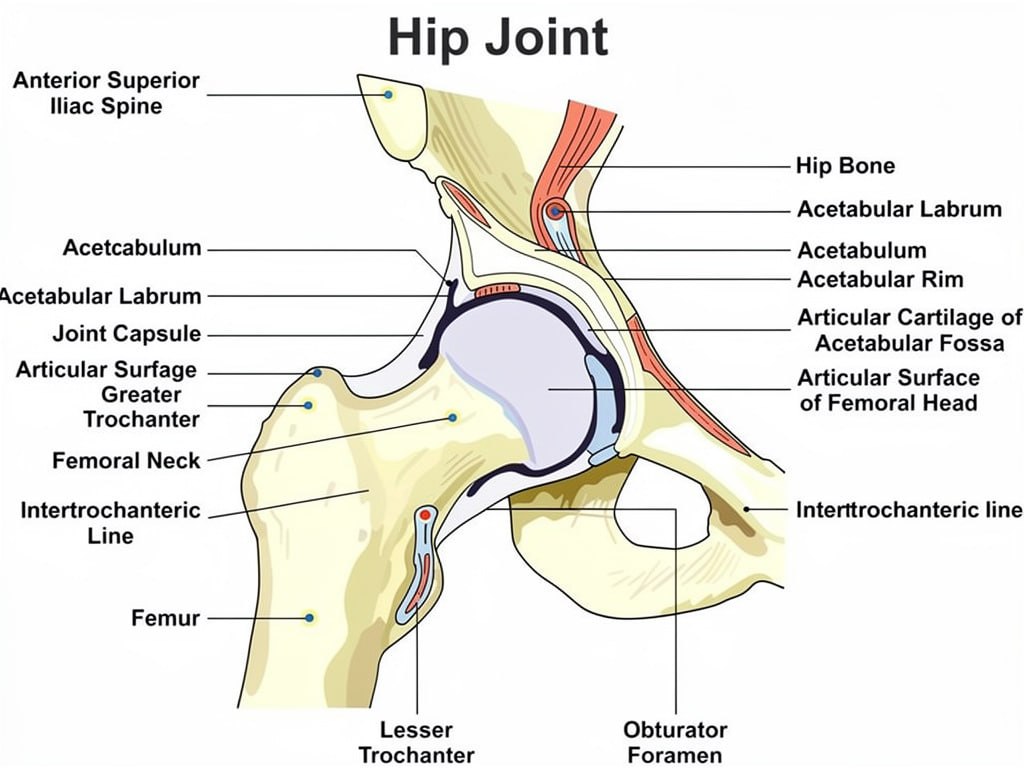
Before recommending surgery, Dr. Andrew Lee evaluates all FAI patients for non-operative options. Physical therapy focused on hip strengthening and movement pattern modification, activity modification to avoid impingement positions, and anti-inflammatory medications can provide meaningful symptom relief.
Cortisone injections can help confirm the hip joint as the pain source and provide temporary relief. Surgery is recommended when symptoms significantly limit activity despite adequate conservative management.
Hip impingement surgery corrects the underlying bony abnormality causing FAI and addresses any associated labral damage. Dr. Andrew Lee performs this procedure arthroscopically at Southern Hills Hospital in Las Vegas through small incisions, avoiding the need for open hip surgery in most cases.
Using arthroscopic instruments and fluoroscopic guidance, Dr. Lee reshapes the cam bump on the femoral head and trims any excess acetabular rim bone causing pincer impingement. The acetabular labrum is repaired or reconstructed as needed using suture anchors.
Correcting the impingement at its source rather than simply treating the labral damage provides better long-term outcomes by eliminating the mechanical cause of ongoing injury to the joint.
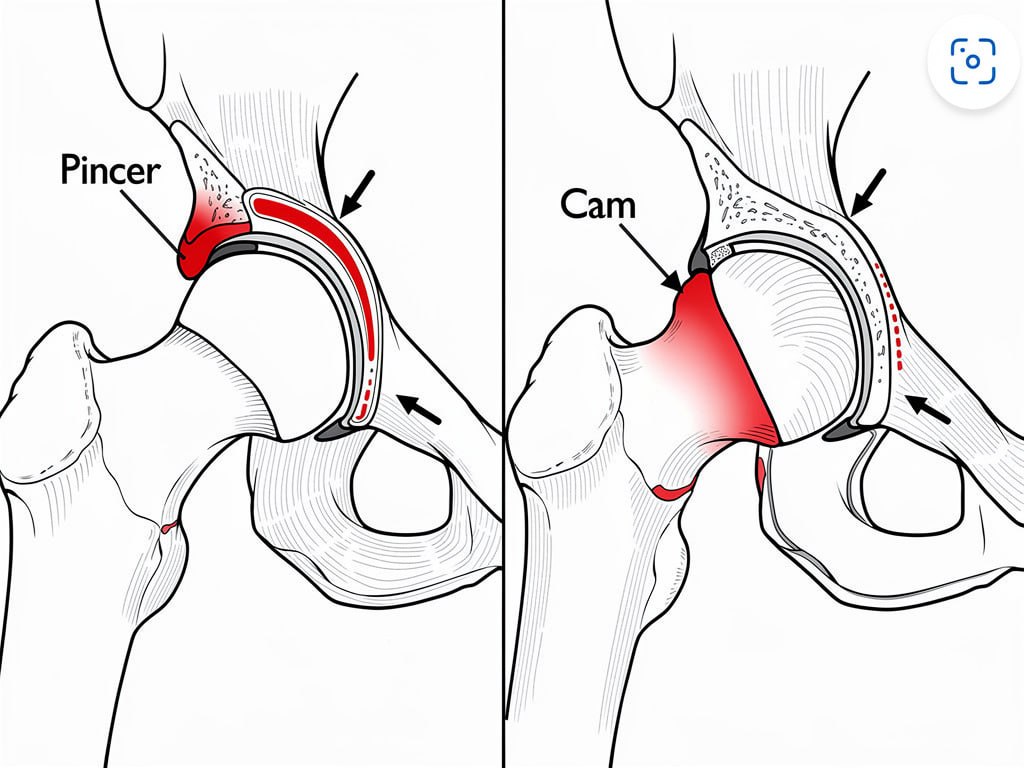
Recovery following FAl surgery requires four to six weeks of protected weight bearing with crutches. This protects the labral repair and allows the reshaved bony surfaces to heal.
Physical therapy begins with gentle range of motion and progresses through strengthening to sport-specific rehabilitation. Most patients return to recreational sport at four to six months.
Groin pain relief following FAl surgery is typically gradual over the first three months as post-operative inflammation resolves and rehabilitation progresses. Most patients experience significant improvement by the three to six month mark.
Long-term outcomes are best when surgery is performed before significant cartilage damage has occurred. Dr. Lee discusses cartilage status and realistic expectations with each patient before surgery.
No bathtub, swimming, or hot tub until cleared by Dr. Lee.
Arthroscopic portal wounds are small and heal quickly. Keep them dry and covered until Dr. Lee clears wound healing at your first follow-up visit.
Anti-inflammatory medications are helpful during early recovery. Take pain medications as prescribed and contact your pharmacy forty-eight hours in advance for any refills needed.
Use crutches as prescribed during the protected weight bearing period. Avoid combined hip flexion and internal rotation during early healing. Follow Dr. Lee’s specific activity guidelines provided at discharge.
Contact Nevada Spine Clinic or go to the emergency room for sudden severe hip pain, fever, or wound changes following discharge.
No bathtub, swimming, or hot tub until cleared by Dr. Lee.
Dr. Andrew Lee, MD | Nevada Spine Clinic, Las Vegas
Your information is private and will never be shared.