

Neurosurgeon
SHOULDER | LAS VEGAS
Dr. Andrew Lee, MD | Nevada Spine Clinic, Las Vegas, Nevada
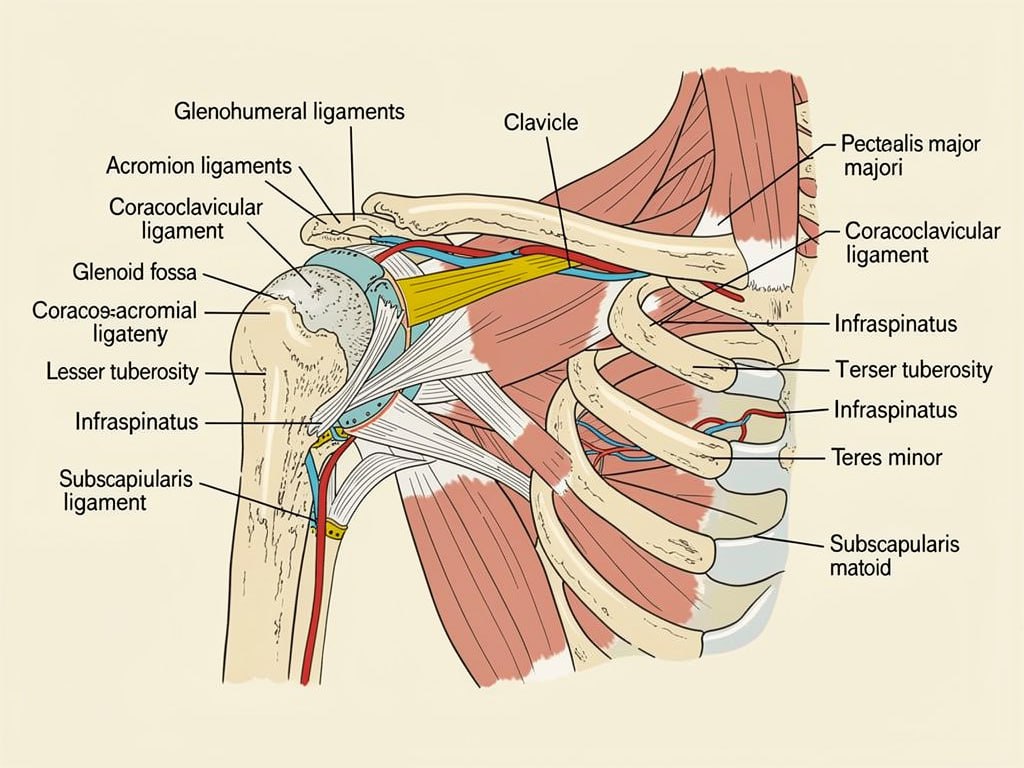
The shoulder is the most mobile joint in the body, allowing movement in nearly every direction. The glenohumeral joint is formed by the humeral head and the shallow glenoid socket of the scapula. The rotator cuff, a group of four tendons surrounding the joint, provides dynamic stability and powers shoulder rotation.
The joint surfaces are covered with articular cartilage that allows smooth, low-friction movement. When cartilage wears away, the resulting pain and stiffness can significantly limit the ability to perform daily activities.
Dr. Andrew Lee at Nevada Spine Clinic in Las Vegas evaluates all shoulder patients for non-surgical options before recommending replacement. Physical therapy, anti-inflammatory medications, activity modification, and corticosteroid injections are all considered.
Total shoulder replacement is recommended when shoulder pain significantly limits daily function and quality of life despite adequate conservative management.
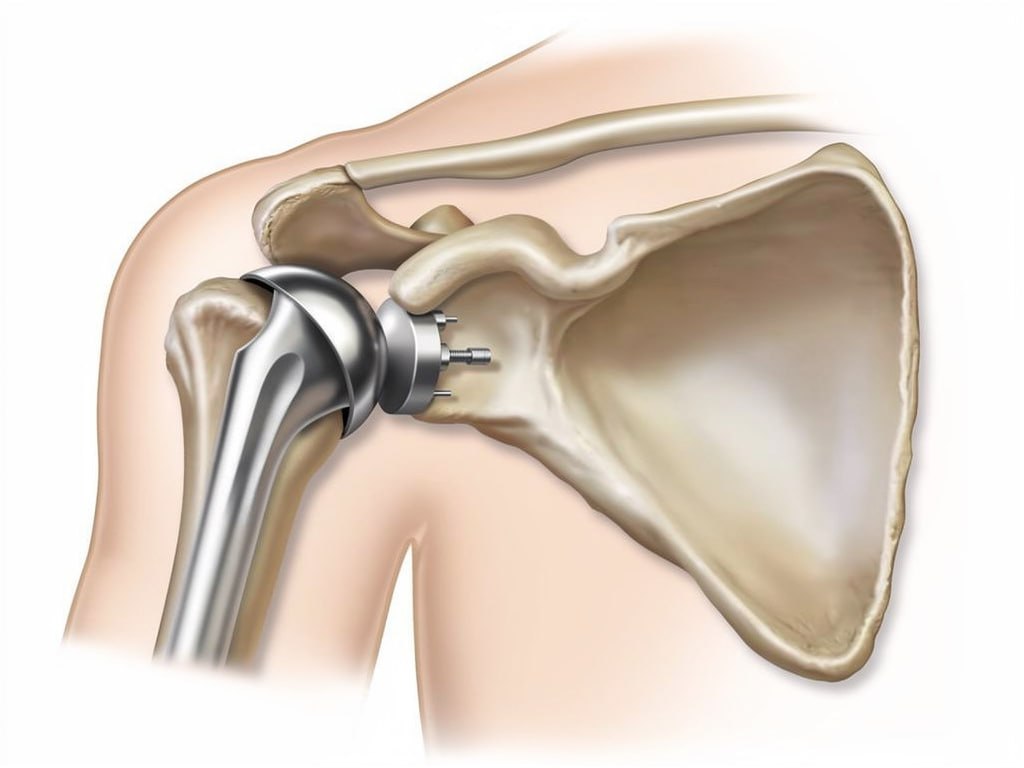
Total shoulder arthroplasty replaces both the humeral head and glenoid socket surfaces with prosthetic components designed to restore smooth, pain-free shoulder movement. Dr. Andrew Lee performs total shoulder replacement in Las Vegas at Southern Hills Hospital for patients with glenohumeral arthritis and an intact or reparable rotator cuff.
A humeral stem and ball component replaces the damaged humeral head. A polyethylene glenoid component resurfaces the socket. The components replicate normal shoulder anatomy and allow the rotator cuff muscles to function in a biomechanically appropriate position.
The success of anatomic total shoulder replacement depends on a functional rotator cuff. Patients with massive rotator cuff tears and arthritis are better served by reverse total shoulder arthroplasty.
The arm is kept in a sling for four to six weeks following total shoulder replacement. Physical therapy begins early with passive range of motion exercises, progressing to active motion and strengthening as healing allows.
Most patients achieve functional range of motion by three months. Full recovery and return to recreational activities typically requires six to twelve months.
Pain relief following total shoulder replacement is typically excellent, with most patients experiencing significant improvement within the first few weeks.
Stiffness and limited motion improve gradually over the first three to six months with physical therapy. Setting realistic expectations about the timeline for full recovery is an important part of Dr. Lee’s pre-operative process.
No bathtub, swimming, or hot tub until cleared by Dr. Lee.
The shoulder incision is evaluated at your first post-operative visit. Avoid soaking the wound in water until cleared by Dr. Lee. Keep the sling on as prescribed except during therapy and wound care.
Blood clot prevention measures are prescribed following shoulder replacement. Take all medications as directed and contact your pharmacy forty-eight hours in advance for any refills.
Wear the sling as prescribed. Do not use the arm for lifting, pushing, or reaching beyond prescribed limits during the early healing period.
Contact Nevada Spine Clinic or go to the emergency room for sudden severe shoulder pain, inability to move the arm, fever, or significant wound changes.
No bathtub, swimming, or hot tub until cleared by Dr. Lee.
Dr. Andrew Lee, MD | Nevada Spine Clinic, Las Vegas
Your information is private and will never be shared.