

Neurosurgeon
SHOULDER | LAS VEGAS
Dr. Andrew Lee, MD | Nevada Spine Clinic, Las Vegas, Nevada
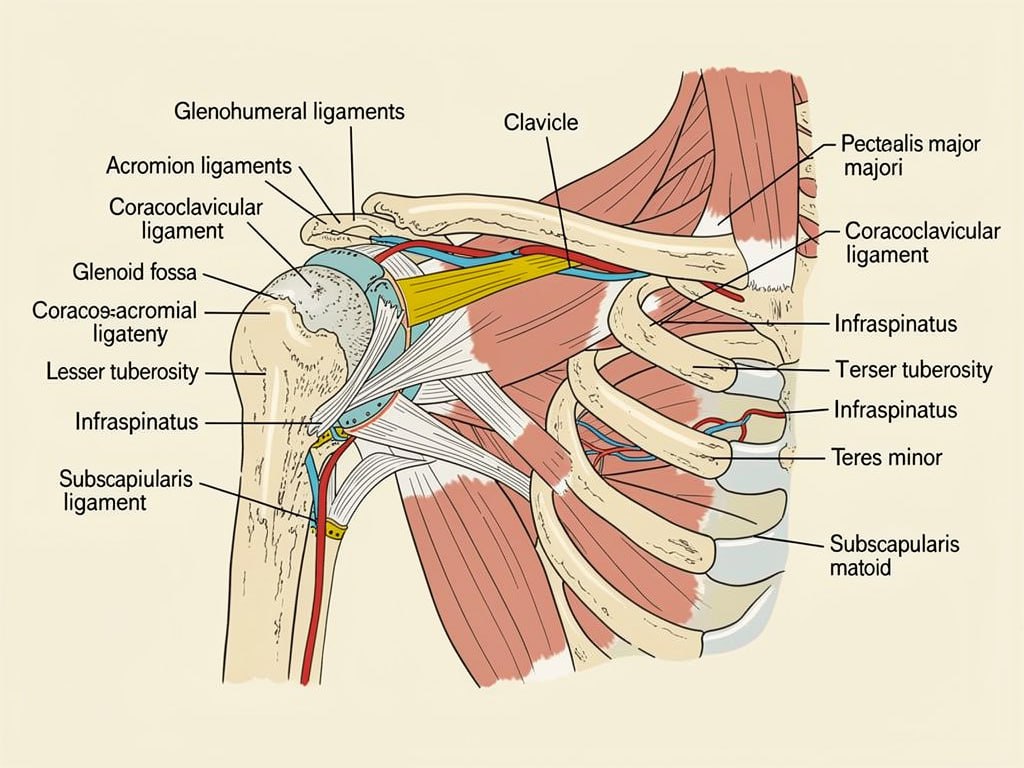
Normal shoulder function depends on the coordinated action of the rotator cuff tendons and the deltoid muscle. In a healthy shoulder the rotator cuff centers the humeral head in the glenoid socket, allowing the deltoid to elevate the arm efficiently. When the rotator cuff is massively torn and irreparable, the deltoid loses its mechanical advantage and shoulder elevation becomes impossible.
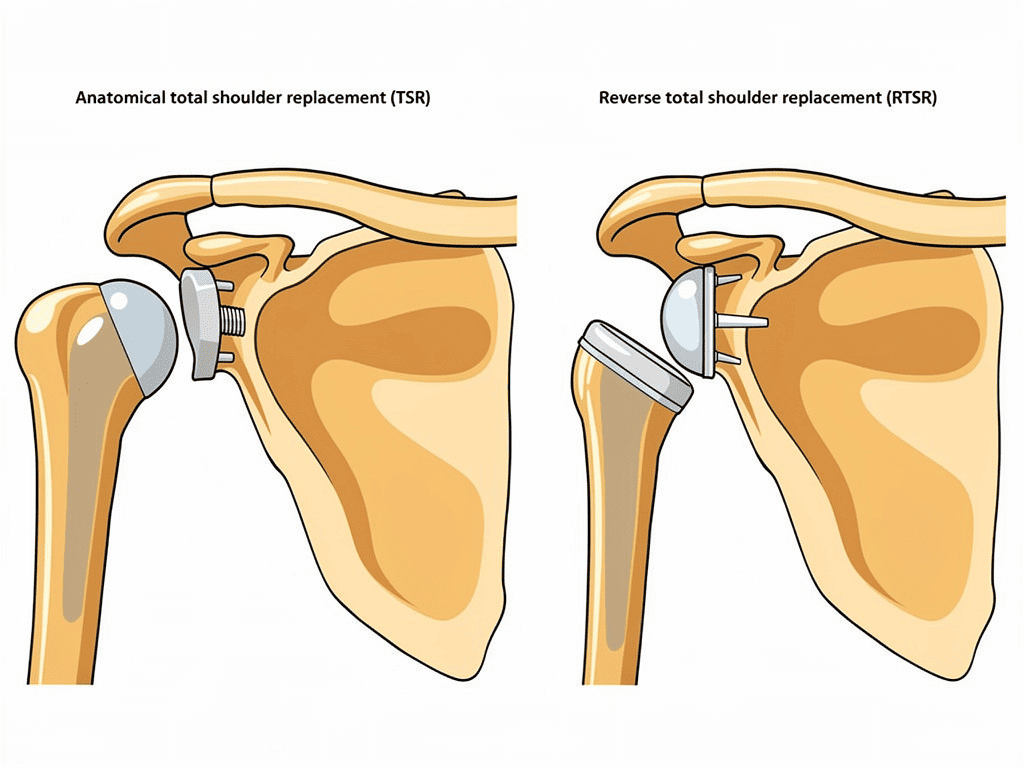
Reverse total shoulder arthroplasty was developed specifically to address this problem. By reversing the ball-and-socket geometry, it allows the deltoid alone to power shoulder elevation without requiring a functional rotator cuff.
Reverse total shoulder replacement is typically recommended for patients who have progressed beyond what conservative care can address. Anti-inflammatory medications and physical therapy may provide temporary symptom relief but cannot restore function lost due to massive rotator cuff tears with arthritis.
Dr. Andrew Lee evaluates each patient carefully to confirm that reverse shoulder replacement is the most appropriate solution for their specific anatomy and functional goals.
Reverse total shoulder arthroplasty places a metal ball on the glenoid socket side and a plastic cup on the humeral side, the opposite of normal anatomy. Dr. Andrew Lee performs reverse shoulder replacement in Las Vegas at Southern Hills Hospital for patients with rotator cuff tear arthropathy, massive irreparable rotator cuff tears, and complex fractures.
By moving the center of rotation medially and distally, the reversed geometry improves the mechanical advantage of the deltoid muscle, allowing it to elevate the arm without a functioning rotator cuff. This design reliably restores the ability to lift the arm overhead in patients who previously could not.
Modern reverse shoulder designs have improved significantly and provide excellent long-term results for appropriate patients. The procedure requires precise component positioning and soft tissue tensioning to achieve optimal function and minimize complications.
A sling is worn for four to six weeks following reverse shoulder replacement. Physical therapy begins with gentle passive motion, progressing to active assisted and then active elevation as the deltoid adapts to its new mechanical role.
Most patients achieve functional overhead elevation by three months. Full recovery takes six to twelve months.
The most dramatic improvement following reverse shoulder replacement is the restoration of overhead arm elevation in patients who previously could not lift their arm. This functional gain is often life-changing for patients with rotator cuff tear arthropathy.
Pain relief is typically excellent. External rotation strength is limited in reverse shoulder replacement compared to normal anatomy, which is a known limitation of the design that Dr. Lee discusses with patients before surgery.
No bathtub, swimming, or hot tub until cleared by Dr. Lee.
Follow wound care instructions carefully. Avoid soaking the wound until cleared by Dr. Lee. Keep the sling on as prescribed except during therapy sessions.
Take all prescribed medications as directed. Contact your pharmacy forty-eight hours in advance for any prescription refills needed.
Wear the sling as prescribed. Avoid using the arm for lifting or pushing beyond prescribed limits during early healing.
Contact Nevada Spine Clinic or go to the emergency room for sudden severe shoulder pain, inability to move the arm, fever, or wound changes.
No bathtub, swimming, or hot tub until cleared by Dr. Lee.
Dr. Andrew Lee, MD | Nevada Spine Clinic, Las Vegas
Your information is private and will never be shared.