

Neurosurgeon
SHOULDER | LAS VEGAS
Dr. Andrew Lee, MD | Nevada Spine Clinic, Las Vegas, Nevada
Shoulder replacements are generally durable implants but can fail over time due to component loosening, rotator cuff failure, instability, infection, or periprosthetic fracture. When a shoulder replacement fails, revision surgery is required to restore function and relieve pain.
Dr. Andrew Lee at Nevada Spine Clinic in Las Vegas manages complex shoulder revision cases, including those referred by other surgeons. His experience across both anatomic and reverse shoulder configurations allows him to address a wide range of failure mechanisms.
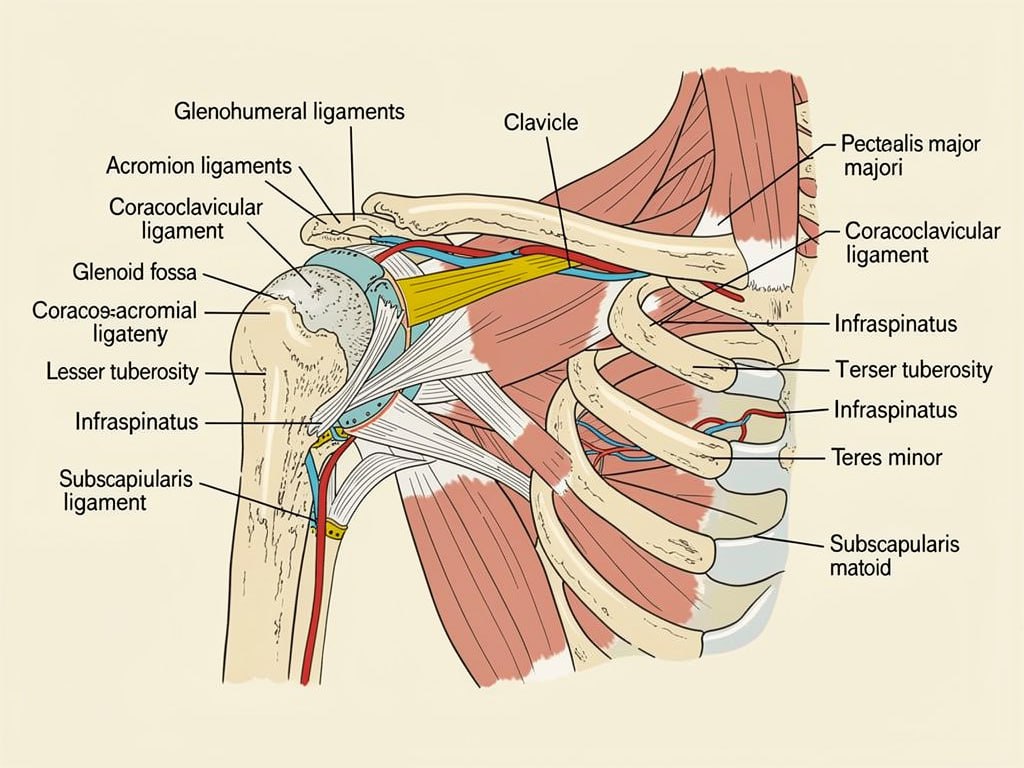
Shoulder revision surgery is recommended when a failed shoulder replacement cannot be managed non-operatively and when symptoms significantly impair quality of life. Dr. Lee performs comprehensive preoperative planning including advanced imaging before recommending revision.
Shoulder revision surgery addresses failed shoulder arthroplasty through removal of the failed components and reconstruction appropriate to the failure mechanism. Dr. Andrew Lee performs shoulder revision cases at Southern Hills Hospital in Las Vegas.
The most common revision performed is conversion from a failed anatomic total shoulder to a reverse configuration, which addresses both glenoid loosening and rotator cuff deficiency in a single procedure. Other revisions include isolated glenoid component exchange, humeral stem revision, or treatment of periprosthetic infection.
Shoulder revision surgery requires careful preoperative templating and intraoperative judgment to restore appropriate component positioning, soft tissue tension, and shoulder mechanics.
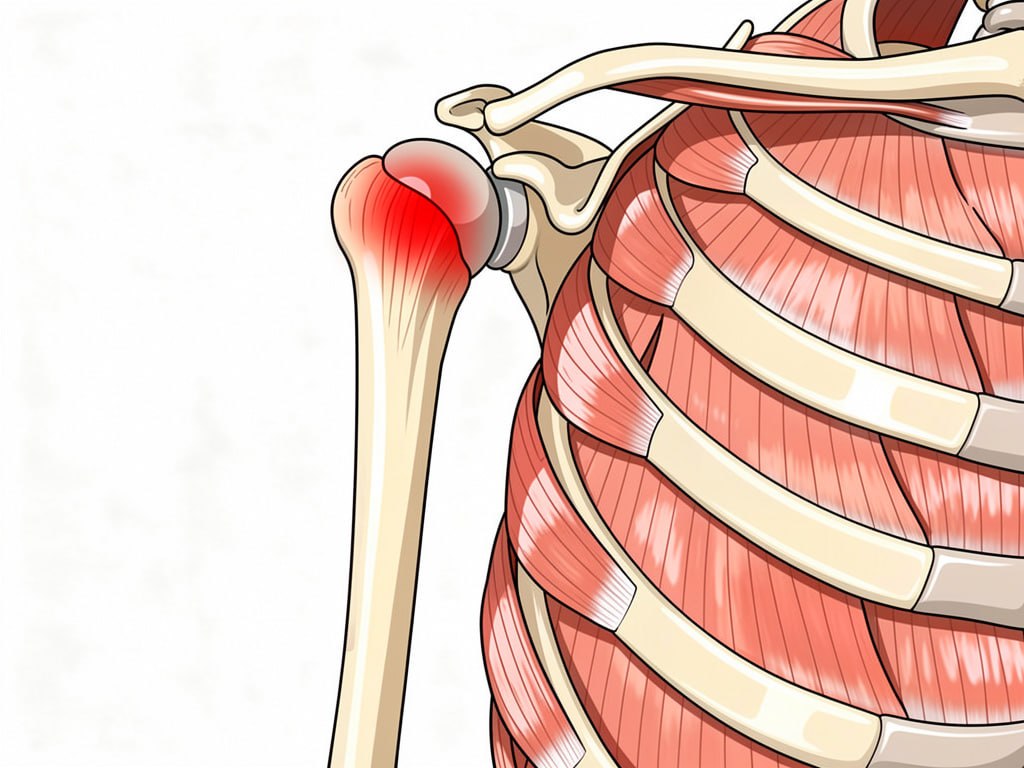
Recovery following shoulder revision is longer and more demanding than primary replacement. A sling is worn for four to six weeks. Physical therapy is tailored to the specific revision procedure performed.
Most patients require six to twelve months for meaningful functional recovery following shoulder revision surgery.
Pain relief following successful shoulder revision is typically significant. Functional recovery is more gradual and may not fully reach the level achieved with a successful primary replacement.
Regular follow-up with Dr. Lee following revision surgery is important for monitoring implant stability and guiding rehabilitation.
No bathtub, swimming, or hot tub until cleared by Dr. Lee.
Follow wound care instructions carefully. Shoulder revision incisions may be more complex and require careful monitoring. Contact Nevada Spine Clinic immediately for any wound concerns.
Take all prescribed medications as directed. Refills require advance notice from your pharmacy.
Activity restrictions following shoulder revision are individualized. Dr. Lee will
review specific guidelines at discharge and follow-up appointments.
Contact Nevada Spine Clinic or go to the emergency room for sudden severe shoulder pain, fever, or significant wound changes.
No bathtub, swimming, or hot tub until cleared by Dr. Lee.
Dr. Andrew Lee, MD | Nevada Spine Clinic, Las Vegas
Your information is private and will never be shared.