Understanding the Shoulder Labrum
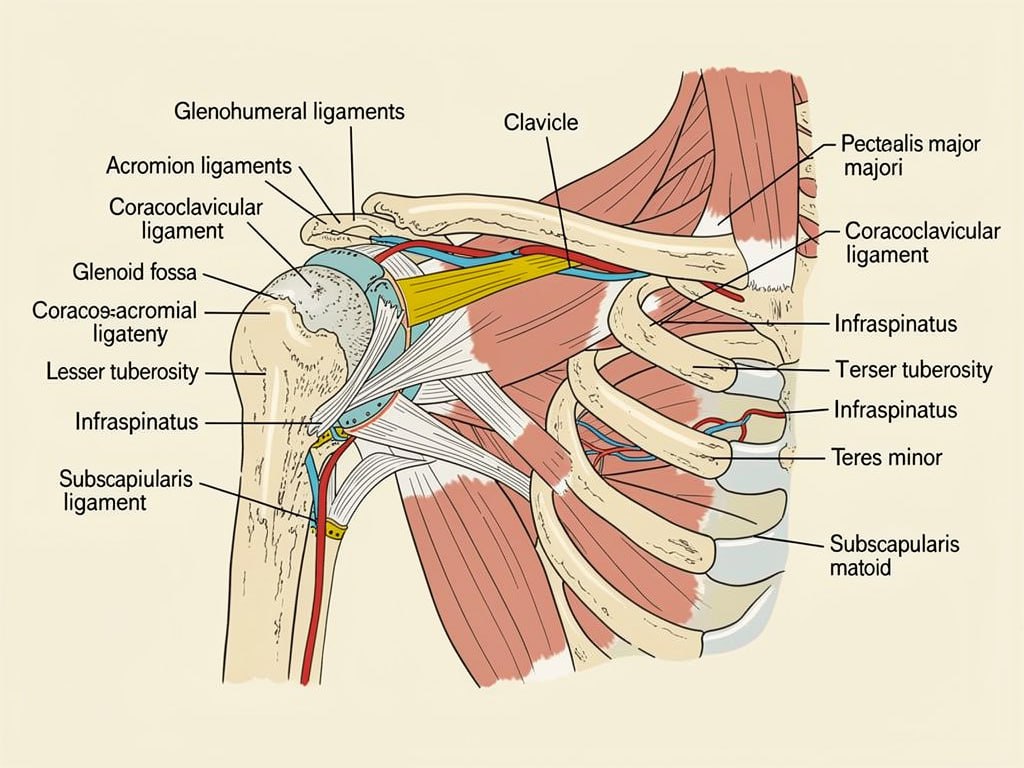
The glenoid labrum is a ring of fibrocartilage attached to the rim of the shallow glenoid socket that deepens it and provides an anchor for the glenohumeral ligaments. The labrum plays an important role in shoulder stability, particularly against anterior dislocation.
Labral tears in the shoulder most commonly occur at the anterior-inferior position following traumatic dislocation, or at the superior position as a SLAP tear from repetitive overhead activity.
Types of Shoulder Labral Tears
- Bankart Lesion: Tearing of the anterior-inferior labrum from the glenoid rim following shoulder dislocation. Causes recurrent instability and anterior shoulder pain.
- SLAP Tear: Superior labral tear from anterior to posterior, often involving the biceps tendon anchor. Common in overhead athletes and following traction injuries.
- Posterior Labral Tear: Less common. Associated with posterior shoulder instability and pain with pushing activities.
- Symptoms: Shoulder instability, clicking, popping, pain with specific movements, and reduced confidence in shoulder function.
Conservative Non-Surgical Care
Many shoulder labral tears, particularly in older patients and those with first-time dislocations, respond well to conservative management with physical therapy focused on rotator cuff and periscapular strengthening.
Dr. Andrew Lee at Nevada Spine Clinic in Las Vegas recommends surgical repair primarily for young active patients with recurrent instability, athletes with SLAP tears limiting overhead performance, and patients with structural labral tears not responding to rehabilitation.
Shoulder Labral Repair
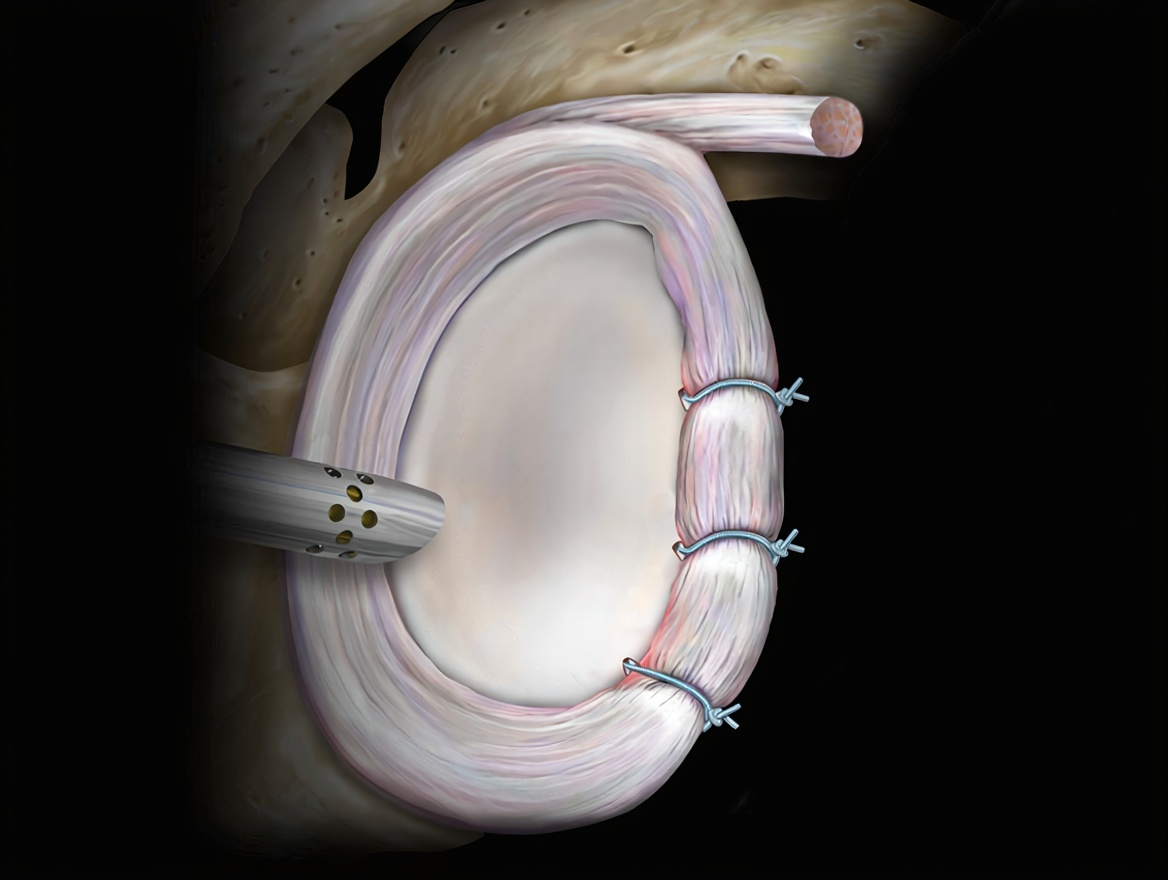
Shoulder labral repair restores the torn labrum to the glenoid rim, re-establishing the bumper effect that resists shoulder dislocation. Dr. Andrew Lee performs shoulder labral repair arthroscopically at Southern Hills Hospital in Las Vegas through small incisions.
The torn labral tissue is mobilized and prepared, and the glenoid rim bone is refreshed to promote healing. Suture anchors are placed in the glenoid bone and sutures are passed through the labral tissue to reattach it securely to the rim. The number and placement of anchors depends on the extent of the tear.
Arthroscopic labral repair is highly effective for Bankart lesions and most SLAP tears in appropriate candidates, with return to sport rates above ninety percent in young athletes following proper rehabilitation.
The primary goals of this procedure are to:
- Restore labral attachment to the glenoid rim
- Re-establish shoulder stability against dislocation
- Relieve pain and clicking from labral pathology
- Allow return to athletic and overhead activity
Potential Risks
- Recurrent instability: Labral repair can fail, particularly with return to contact sport or insufficient rehabilitation.
- Stiffness: Post-operative shoulder stiffness can develop, particularly following SLAP repair.
- Nerve injury: Low risk with arthroscopic technique.
- Infection: Small but present risk with any surgical procedure.
- Anchor complications: Suture anchor failure or proud anchors requiring revision are uncommon.
Postoperative Recovery and Rehabilitation
A sling is worn for four to six weeks following labral repair to protect the healing tissue. Physical therapy begins with gentle passive range of motion, progressing to active motion and strengthening as healing allows.
Return to sport following labral repair typically occurs at four to six months with appropriate rehabilitation.
What to Expect After Surgery
Shoulder stability and pain relief following labral repair are typically excellent in appropriate candidates. Most patients regain full confidence in shoulder function by four to six months.
Commitment to the rehabilitation program is essential for achieving the best outcome following labral repair.
Do not soak your wound.
No bathtub, swimming, or hot tub until cleared by Dr. Lee.
Wound Care and Medication Management
Arthroscopic portal wounds are small. Keep them dry and covered until cleared by Dr. Lee at your first follow-up visit.
Take medications as prescribed. Contact your pharmacy forty-eight hours in advance for any refills needed.
Activity Guidelines After Surgery
Wear the sling as prescribed. Avoid reaching, lifting, and overhead activity during early healing. Follow your physical therapy program closely.
Contact Nevada Spine Clinic or go to the emergency room for sudden severe shoulder pain, instability, fever, or wound changes.