

Neurosurgeon
SHOULDER | LAS VEGAS
Dr. Andrew Lee, MD | Nevada Spine Clinic, Las Vegas, Nevada
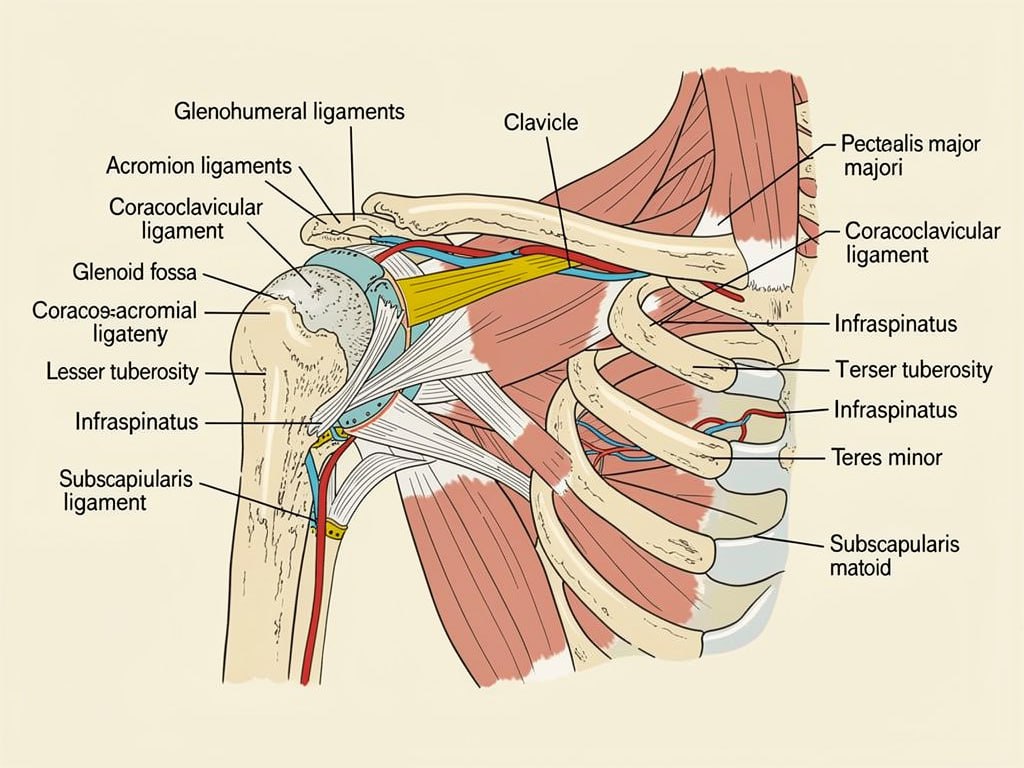
The shoulder joint includes the glenohumeral joint, the acromioclavicular joint, and the subacromial space. Multiple structures can develop pathology including the rotator cuff tendons, biceps tendon, labrum, bursa, articular cartilage, and acromioclavicular joint.
Shoulder arthroscopy allows Dr. Andrew Lee to visualize and treat many of these conditions through small incisions using a camera and specialized instruments, avoiding the larger incisions and longer recovery associated with open shoulder surgery.
Most shoulder conditions treated with arthroscopy are first managed non-operatively with physical therapy, anti-inflammatory medications, and corticosteroid injections. Dr. Andrew Lee at Nevada Spine Clinic in Las Vegas recommends arthroscopy only when conservative measures have been adequately pursued without sufficient improvement.
Total shoulder replacement is recommended when shoulder pain significantly limits daily function and quality of life despite adequate conservative management.
Shoulder arthroscopy allows Dr. Andrew Lee to diagnose and treat a wide range of shoulder conditions through small incisions using a tiny camera and specialized instruments. This is performed at Southern Hills Hospital in Las Vegas as an outpatient procedure in most cases.
Small arthroscopic portals are placed around the shoulder to allow visualization of the glenohumeral joint and subacromial space. The specific treatment performed depends on the pathology identified, which may include bursectomy, acromioplasty, biceps tenodesis or tenotomy, distal clavicle resection, or removal of loose bodies.
The arthroscopic approach results in less post-operative pain and faster recovery than open surgery while providing excellent visualization of all relevant structures within the shoulder.

Recovery following shoulder arthroscopy varies based on the specific procedures performed. Isolated subacromial decompression typically allows return to light activity within two to three weeks. Biceps tenodesis requires sling protection for four to six weeks.
Physical therapy is customized to the procedures performed and typically begins within the first two weeks.
Shoulder pain relief following arthroscopy is typically experienced within the first few weeks as post-operative inflammation resolves.
Return to daily activities and sport depends on the specific procedures performed and ranges from two weeks for simple bursectomy to six months for labral repairs performed concurrently.
No bathtub, swimming, or hot tub until cleared by Dr. Lee.
Arthroscopic portal wounds are small and heal quickly. Keep them dry until cleared by Dr. Lee. Avoid soaking the shoulder in water during early healing.
Take medications as prescribed. Anti-inflammatory medications are helpful during early recovery.
Follow Dr. Lee’s specific activity and sling instructions based on the procedures performed. Driving restrictions and weight bearing limitations are individualized to the surgery.
Contact Nevada Spine Clinic or go to the emergency room for sudden severe shoulder pain, fever, or significant wound changes.
No bathtub, swimming, or hot tub until cleared by Dr. Lee.
Dr. Andrew Lee, MD | Nevada Spine Clinic, Las Vegas
Your information is private and will never be shared.